Property Financing
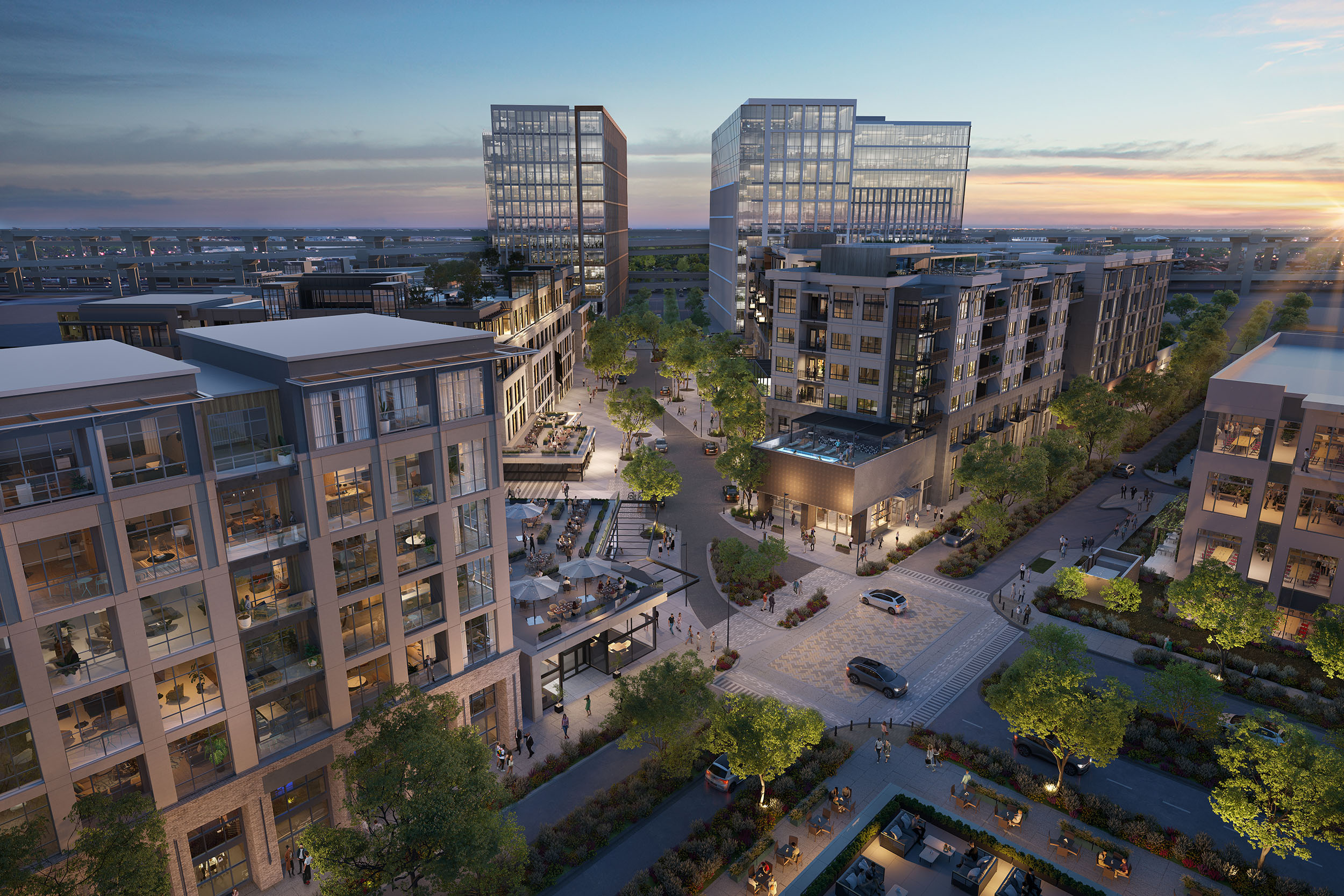
Mixed-Use Properties in Los Angeles, CA
Specialized lending for properties combining residential and commercial spaces.
Available Loan Programs
We offer multiple financing options tailored specifically for mixed-use properties. Our flexible programs are designed to meet your unique investment needs.
Get Started Today
Ready to finance your mixed-use properties? Our team is standing by to help you get funded quickly.
Financing Options for Mixed-Use Properties
Retail + Residential Combos
The most common mixed-use configuration in Los Angeles combines ground-floor retail with residential apartments above, a pattern found throughout the city's historic commercial corridors and newer transit-oriented developments. These properties create synergies where residential tenants provide built-in retail customers, and retail amenities enhance residential desirability. Our financing for retail + residential properties evaluates both income streams separately while recognizing their interdependence. We underwrite the retail component based on tenant credit quality, lease terms, and retail market dynamics specific to the neighborhood, while the residential portion is evaluated based on rent levels, occupancy, and unit mix. Loan structures can accommodate varying lease expiration schedules between the components and provide flexibility for repositioning either the retail or residential space. Common opportunities include acquiring underperforming mixed-use buildings with below-market retail rents, renovating dated residential units to achieve premium rents, or converting excess retail space to additional residential units where zoning permits.
Office + Apartment Buildings
Office + residential mixed-use properties serve the growing number of professionals who value living near their workplaces, as well as the businesses that want to locate in amenity-rich neighborhoods. These configurations are particularly common in Downtown LA's ongoing adaptive reuse boom, where historic office buildings are converted to residential with ground-floor or lower-level office space preserved. Our financing for office + apartment buildings considers the distinct tenant bases and lease structures for each component. Office tenants typically sign longer-term leases (3-10 years) with established businesses or professional practices, providing income stability. Residential tenants offer shorter lease terms but typically higher per-square-foot rents and easier vacancy turnover. We structure loans that accommodate these different lease profiles, including potential staggered lease expirations and tenant improvement needs for office spaces. Value-add opportunities often involve modernizing dated office spaces, upgrading common areas that serve both components, or repositioning underperforming office tenants.
Ground Floor Commercial
Properties with ground-floor commercial space supporting upper-level residential units represent classic urban development patterns seeing renewed interest in Los Angeles. These buildings line major corridors throughout the city, from Melrose and Fairfax to York Boulevard in Highland Park and Main Street in Venice. The ground-floor commercial component may include restaurants, retail shops, service businesses, or professional offices, each presenting different tenant requirements and operational considerations. Our financing for these properties evaluates the commercial tenant mix and its compatibility with residential operations, for example, restaurant tenants may generate noise and odor considerations that need management, while professional offices offer quieter environments. We structure loans that can accommodate the specific needs of ground-floor commercial tenants, including higher tenant improvement allowances, percentage rent structures for retail, and flexible use provisions that allow adaptation to changing market demands. Value-add strategies often focus on leasing vacant commercial space, upgrading storefronts to attract higher-credit tenants, or reconfiguring commercial layouts for modern retail requirements.
Adaptive Reuse Projects
Los Angeles has thousands of underutilized buildings, former warehouses, industrial facilities, schools, churches, and office buildings, that present exceptional adaptive reuse opportunities for creative investors. Converting these structures to mixed-use developments requires specialized financing that accommodates the unique challenges of repositioning existing buildings. Our adaptive reuse loans provide acquisition funding plus substantial renovation capital for structural modifications, systems upgrades, code compliance improvements, and interior buildouts. These projects often require extended timelines due to historic preservation requirements, complex permitting processes, and the technical challenges of converting single-use buildings to mixed configurations. We structure loans with interest reserves, flexible draw schedules, and maturity dates that account for realistic project timelines. Successful adaptive reuse projects in Los Angeles include converted warehouse lofts in the Arts District, former office buildings transformed to mixed-use in Hollywood, and historic commercial structures reimagined as live-work communities in emerging neighborhoods.
Why Finance Mixed-Use Properties with Us?
Fast Closings
Close in as little as 5-7 days
Flexible Terms
Customized loan structures
High LTV
Up to 80% loan-to-value
No Prepayment
Pay off early without penalty
Frequently Asked Questions
How do you classify and underwrite mixed-use properties with both residential and commercial components?
We underwrite mixed-use properties by analyzing each component separately while evaluating the property as a unified asset. The residential portion is evaluated based on rent rolls, comparable market rents, occupancy history, and residential operating expenses. The commercial component considers tenant credit quality, lease terms, remaining lease duration, and commercial market conditions for the specific property type (retail, office, etc.). We then combine these analyses to determine overall property cash flow and appropriate loan structure. This component-based approach allows us to properly assess the diversified income streams and risk characteristics that make mixed-use properties attractive investments.
What loan-to-value ratios do you offer on mixed-use properties?
Mixed-use property LTV ratios typically range from 60-70%, reflecting the complexity of underwriting dual-component properties. The specific LTV depends on the property configuration, tenant mix, lease stability, and your investment experience. Properties with stable, long-term commercial tenants and high residential occupancy may qualify for higher leverage, while transitional properties or those with significant vacancy may require lower LTV. For value-add mixed-use projects with renovation components, we can structure up to 75% of total project cost (purchase plus improvement budget) provided the completed value supports this leverage level.
Can you finance mixed-use properties that need renovation or repositioning?
Yes, mixed-use renovation and repositioning is a core specialty. We regularly finance projects that involve renovating residential units, retenanting commercial spaces, converting excess space from one use to another, or complete adaptive reuse of buildings to mixed-use configurations. These loans include both acquisition funding and construction draws for improvements. We structure interest reserves that cover debt service during the renovation period and work closely with borrowers to ensure draw schedules align with project milestones. Our team understands the permitting and contractor coordination challenges that mixed-use renovations present.
How do you handle properties with different lease expiration schedules?
Staggered lease expirations are common in mixed-use properties due to the different typical lease terms for residential (1 year) versus commercial (3-10 years) tenants. Our underwriting evaluates the lease expiration schedule to identify any concentration risk from multiple tenants expiring simultaneously. We structure loans with terms and maturity dates that align with the property's lease rollover schedule, avoiding situations where significant lease expirations coincide with loan maturities. For properties with near-term commercial lease expirations, we underwrite based on market rent for the space rather than current below-market rents.
Do you work with historic mixed-use properties or adaptive reuse projects?
Absolutely. Los Angeles has numerous historic buildings with exceptional adaptive reuse potential, and we regularly finance the conversion of these properties to mixed-use configurations. These projects often involve unique challenges including historic preservation requirements, complex structural modifications, extended permitting timelines, and specialized contractors. Our adaptive reuse loans accommodate these complexities with flexible structures including extended terms, milestone-based draws, and interest reserves that cover longer renovation periods. We have experience with projects involving Mills Act historic contracts, preservation tax credits, and coordination with local historic preservation authorities.
Explore Other Property Types
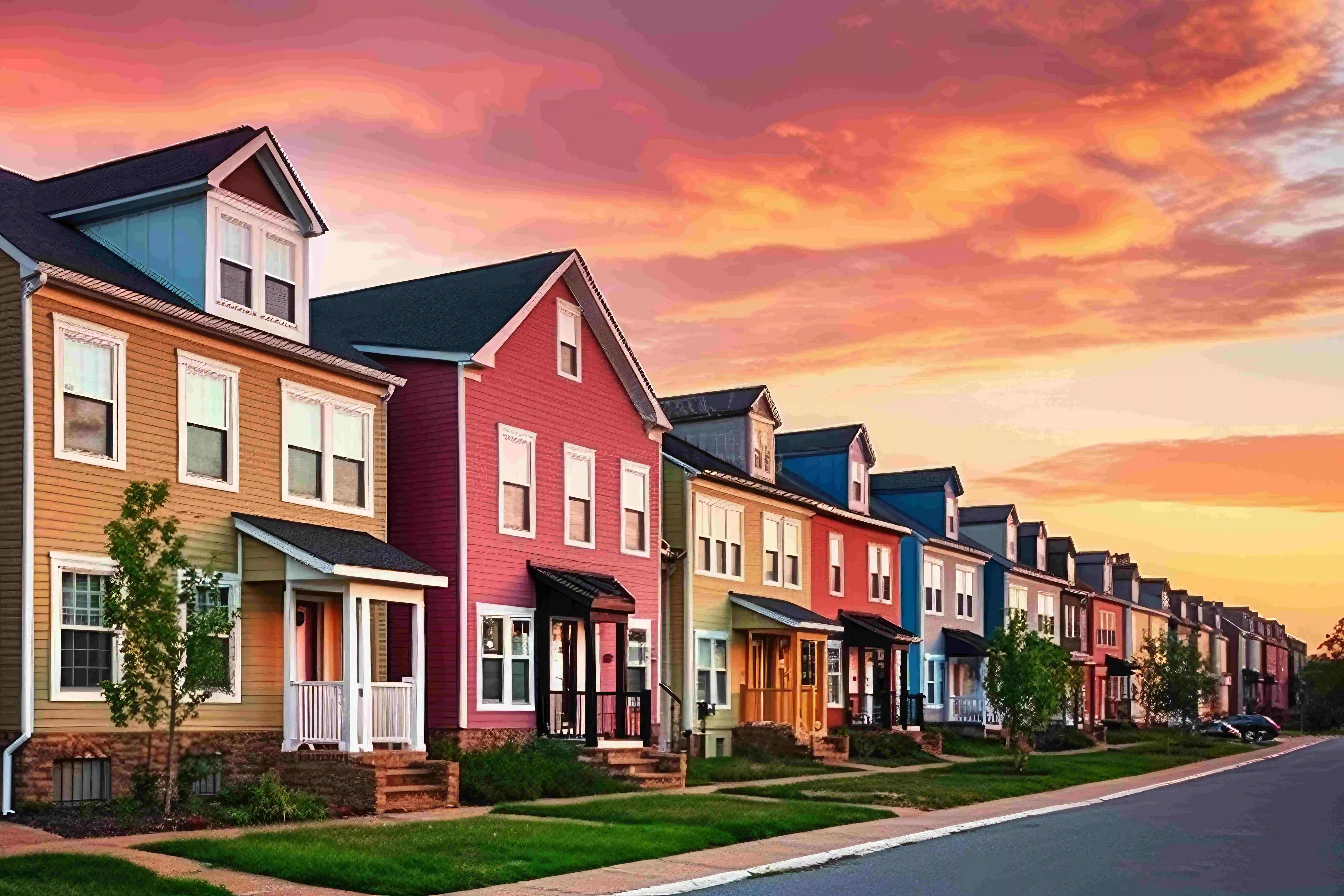
Residential Single-Family Homes
Hard money loans for detached single-family homes, townhouses, and condos throughout Los Angeles.
Commercial Properties
Financing solutions for office buildings, retail centers, warehouses, and industrial properties.
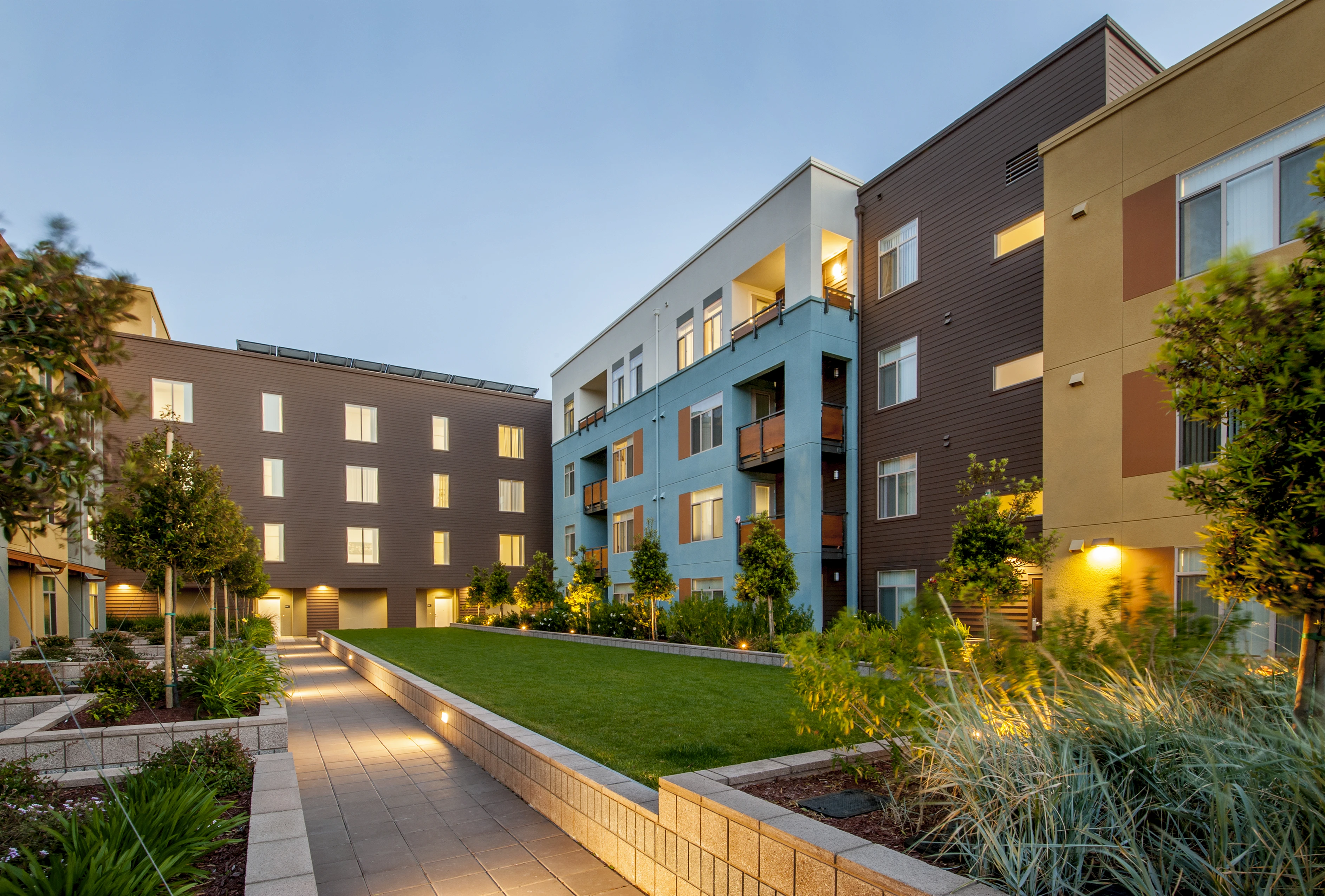
Multi-Family Apartment Buildings
Hard money loans for apartment complexes, duplexes, triplexes, and multi-unit residential buildings.
Ready to Finance Your Mixed-Use Properties?
Contact us today to discuss your mixed-use properties financing needs.
Call (213) 667-4815